Cabinet Box Condition: Is Your Kitchen Ready to Reface?
Cabinet box condition determines whether refacing is a practical option for your kitchen. If the existing boxes are level, securely attached, and free from major water or structural damage, refacing may update the room without replacing the layout; serious damage may require cabinet replacement or repair first.
Key takeaways
- Cabinet boxes are the structural parts of base and wall cabinets that support shelves, doors, drawers, and countertops.
- Sound cabinet boxes should be firmly attached, reasonably square, dry, and free from major swelling, rot, or separation.
- A cabinet box inspection should include the sides, bottoms, backs, face frames, mounting points, and areas beneath sinks.
- Minor loose joints, worn surfaces, and limited hardware problems may be addressed through cabinet box repair.
- Refacing cabinet boxes is generally practical when the existing layout works and the boxes can securely support new doors and drawer fronts.
What Does Cabinet Box Condition Mean?
Cabinet box condition describes the strength, stability, and overall state of the structural enclosures behind your cabinet doors and drawer fronts. The boxes hold the shelves and storage components, while face frames finish the front edges, doors cover openings, drawer fronts cover drawer boxes, and hardware includes hinges, pulls, and knobs. These parts work together, but refacing cabinet boxes mainly updates the visible surfaces without moving the existing structure.
Common cabinet boxes use plywood, particleboard, medium-density fiberboard (MDF), or combinations of these materials. Their suitability also depends on the installation and history of your kitchen. A cabinet box inspection should consider the following:
- The cabinet boxes are level, square, and securely fastened to the wall and to neighboring cabinets.
- The bottoms, sides, and shelves show no swelling, sagging, splitting, or soft areas from water exposure.
- The face frames remain firmly attached and provide a sound surface for new doors and drawer fronts.
- Previous modifications, such as cutouts for plumbing or appliances, have not weakened the cabinet structure.
- The existing layout provides the storage, work space, and appliance locations your kitchen needs.
Which Cabinet Materials Usually Hold Up Well?
Plywood usually resists moisture and holds screws well, making it a dependable cabinet box material. Particleboard can perform well when it stays dry, but swollen edges or softened areas may need cabinet box repair before refacing. MDF provides a smooth, stable surface, while solid wood components offer strength but can move slightly with changes in moisture.
The phrase solid kitchen cabinets may describe solid wood doors, face frames, or trim rather than an entirely solid-wood cabinet. Material alone does not determine condition. Moisture exposure, age, installation quality, and previous repairs or modifications all affect whether the boxes are ready for new surfaces. For additional planning guidance, read Refacing Kitchen Cabinets: What Homeowners Should Know.
Why Does the Existing Layout Matter?
Refacing changes the visible surfaces while retaining most cabinet locations, so your current layout needs to work before the project begins. Level, stable boxes and a workable arrangement usually mean less disruption and a faster project than moving cabinets, walls, plumbing, or appliances.
If you want major layout changes, added storage, or different appliance locations, refacing alone may not be the right choice. Custom additions, replacement cabinets, or a broader redesign may better suit your goals. The best option depends on the condition of the existing boxes and how well the layout serves your kitchen.
How Can You Inspect Your Cabinet Boxes for Damage?
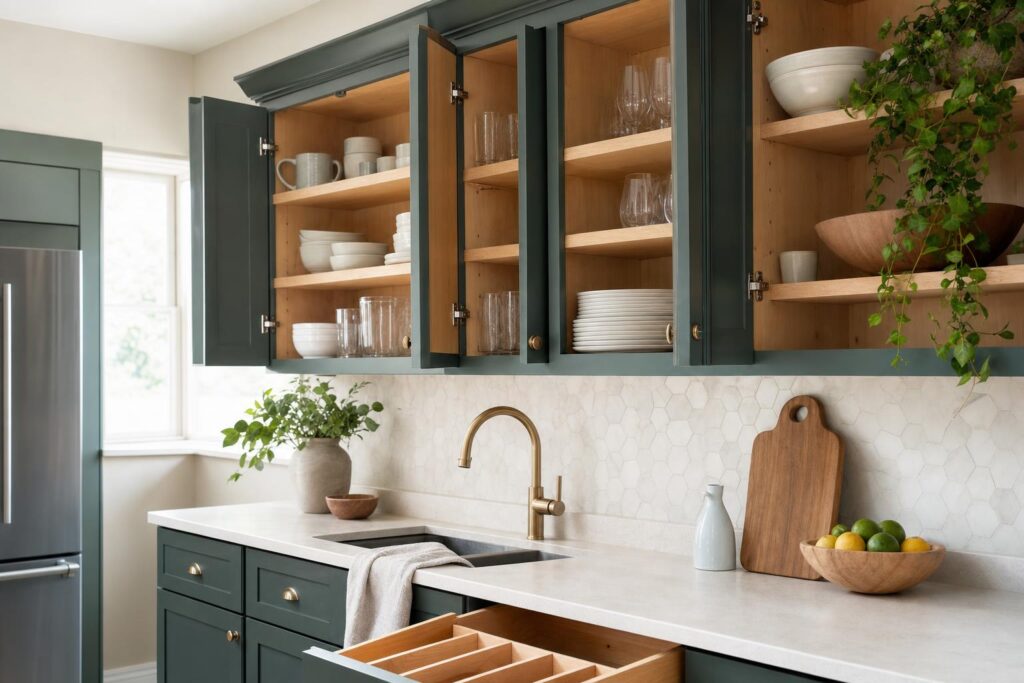
Inspect your cabinet boxes from inside and outside, looking for damage, movement, moisture, and uneven openings without forcing or dismantling anything.
A Five-Minute Cabinet Box Inspection
Start with a flashlight and inspect each cabinet during a basic cabinet box inspection. Open the doors and drawers normally, then check the areas most likely to show wear or moisture. Do not pull hard on boxes, shelves, or wall cabinets; unusual movement is a reason to stop and request professional guidance.
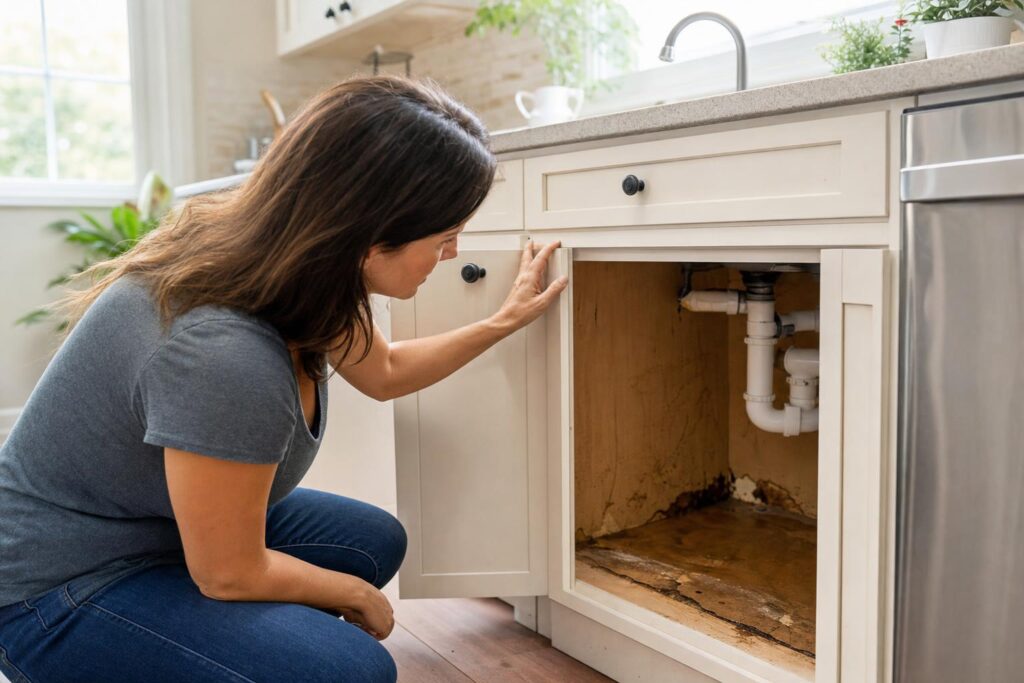
- Check cabinet bottoms, especially beneath the sink, for soft spots, swelling, mold-like staining, exposed edges, or dark water marks.
- Inspect the backs and sides for cracks, delamination, and separation, where a finished layer has pulled away from the cabinet material.
- Examine face frames and openings for loose fasteners, uneven gaps, sagging, or doors that no longer sit square.
- Test shelves, hinges, and drawer supports with normal hand pressure, watching for movement, looseness, or hardware that no longer holds securely.
- Look where the cabinets meet the wall and floor for gaps, leaning, loose attachment, or signs that the boxes have shifted.
Check around the dishwasher and sink base more carefully because repeated leaks can damage cabinet boxes before the problem is obvious. Swollen particleboard, crumbling edges, persistent staining, or a musty odor may require repair and moisture evaluation before refacing cabinet boxes.
Take clear photographs of every concern, including wide views and close-ups, before requesting an estimate. Pictures help a professional understand the condition of the existing boxes and identify areas that need closer inspection. If a wall cabinet moves, a box is pulling away from the wall, or the floor beneath it feels unstable, avoid using it until it can be evaluated.
The right project may involve cabinet box repair, replacement of one damaged section, or refacing when the structure remains sound. For help comparing those options, read Cabinet Refacing vs Replacing: Which Is Right for You?. A professional inspection is especially useful when damage is hidden beneath sinks or around appliances.
Can Damaged Cabinet Boxes Be Repaired Before Refacing?
Yes, damaged cabinet boxes can often be repaired before refacing when the damage is limited and the box remains secure, square, and strong enough to support new doors and hardware. Cabinet box repair corrects a specific problem so the existing cabinet can function safely.
Which Problems Are Usually Repairable?
Common repairs include tightening loose fasteners, replacing a damaged side or bottom panel, reinforcing separated joints, securing a loose cabinet back, and correcting limited swelling near a sink. A contractor may also replace damaged drawer supports or repair an isolated panel issue.
Repairs should restore strength, not simply conceal a visible defect. New veneer, doors, or paint may hide worn surfaces, but they cannot make a weak joint or loose mounting point reliable. A professional should confirm that each repaired box can support the replacement doors, drawer fronts, and hardware.
The right scope may be repair plus refacing rather than full replacement. Refacing changes the visible surfaces, while cabinet box repair addresses the existing structure. For background on how refacing differs from another surface treatment, see Cabinet Refacing vs Refinishing: Key Differences Explained.
When Is Replacement the Safer Choice?
Extensive moisture damage, rot, severe distortion, unstable walls, and widespread material failure are warning signs that replacement may be safer. New veneers or doors cannot correct a box that is no longer square, level, or securely anchored to the wall.
Replacement may also fit your long-term goals if you want to change the layout, move plumbing, add storage, or create a different cabinet configuration. The best option depends on the condition of the existing boxes and the project’s scope.
| Option | Typical scope | Cost and disruption | Appearance and suitability |
|---|---|---|---|
| Repair and refacing | Limited cabinet box repair followed by new doors, drawer fronts, and veneer | Usually lower cost and less disruption than replacement | ask for a quote |
| Refacing only | New exterior surfaces over sound boxes | Typically the least disruptive option | Suitable when boxes are strong and undamaged |
| Full cabinet replacement | New boxes, doors, hardware, and possibly a revised layout | Typically higher cost and more demolition | Better for widespread damage or major layout changes |
Refacing is practical only when cabinet box repair can restore the existing boxes to a secure, usable condition.
Is Refacing Right for Your Cabinet Boxes?
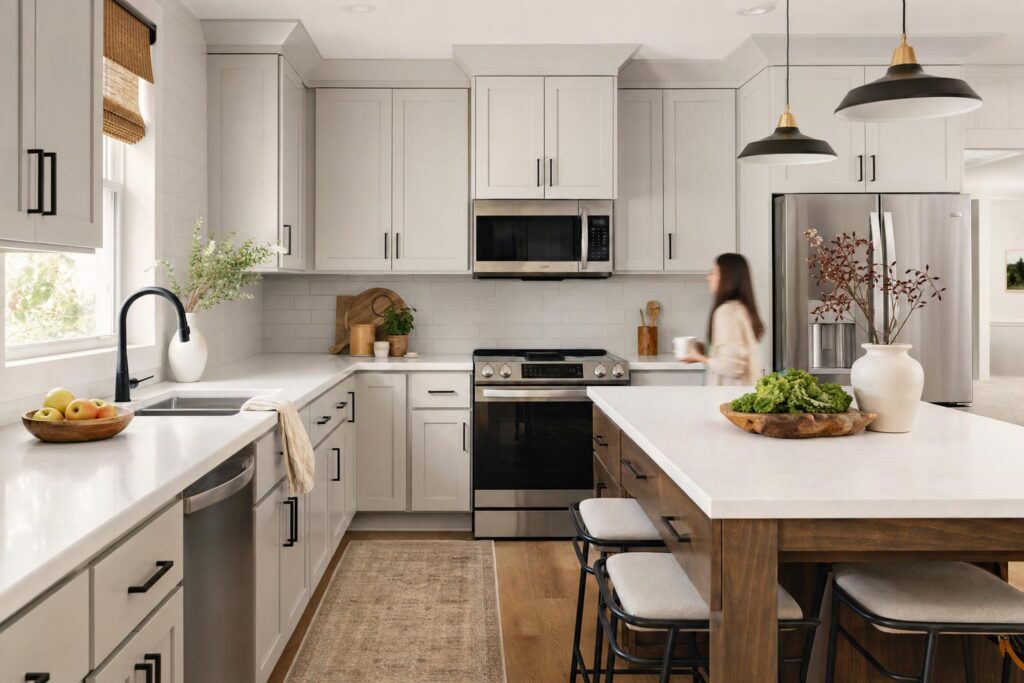
Refacing is right for your cabinet boxes when they are stable, the layout works, damage is manageable, and you want a new appearance without rebuilding the kitchen. The existing boxes must hold fasteners securely and support new doors, drawer fronts, and finished surfaces.
Use this checklist to turn your cabinet box inspection into a practical next step:
- Your cabinet boxes are level, square, and securely attached to the wall or each other.
- The existing layout provides enough storage and places appliances where you want them.
- Water damage, swelling, or loose joints is limited and can receive cabinet box repair before work begins.
- You want to change the cabinet style, color, or hardware rather than move major kitchen components.
- Your solid kitchen cabinets still have a sound core beneath the visible finish.
Refacing cabinet boxes typically includes a new exterior veneer or laminate over the exposed cabinet surfaces. The project can also include replacement doors and drawer fronts, updated hinges or pulls, and other hardware. If your plans call for more work, countertop upgrades or custom cabinet additions may improve storage while keeping most of the existing layout.
Refacing may not be the best match when the cabinet boxes have widespread swelling, sagging, mold, or structural failure. Refinishing can suit solid wood cabinets with a finish you still like, while painting may work when the doors and boxes are sound but only need a color change. Partial replacement can address a few failing sections, and full replacement may make more sense when you need a new layout or extensive storage changes. For planning costs, review Cost to Reface Kitchen Cabinets: Pricing and Estimates.
The next step is a professional assessment of your existing kitchen. Share photos, cabinet measurements, and your goals so the team can review box condition, layout, finishes, and hardware options. ReNU Kitchen brings more than 26 years of experience to custom craftsmanship for homeowners in Freehold, throughout New Jersey, and in parts of New York. You can then compare suitable options and request a free estimate before choosing the right approach.
The best cabinet solution depends on the condition of your existing boxes and the changes you want to make.
Frequently asked questions
How do I know if my cabinet boxes are strong enough to reface?
Cabinet boxes are usually suitable for refacing when they are firmly attached, reasonably level, dry, and free from major swelling, rot, or structural separation. Open each cabinet, inspect the bottom and back, test for movement, and check the mounting points. A professional assessment can confirm whether repairs are needed first.
Can water-damaged cabinet boxes be refaced?
Water-damaged cabinet boxes can sometimes be repaired and refaced when the damage is limited to a small area and the surrounding structure remains sound. Extensive swelling, rot, mold-like deterioration, or weakened mounting points may make replacement safer. The affected area should be evaluated before new surfaces conceal the problem.
Are plywood cabinet boxes better for refacing than particleboard boxes?
Plywood cabinet boxes often resist moisture and hold fasteners well, but particleboard boxes can also be refaced when they remain dry, square, and structurally stable. Construction material is only one factor. Age, installation, water exposure, previous repairs, and the condition of joints determine whether refacing is practical.
What does Renu Kitchen check before refacing cabinets?
Renu Kitchen reviews the existing cabinet layout, box stability, visible damage, door and drawer openings, hardware locations, and areas exposed to moisture. The team can discuss repair, refacing, drawer front replacement, hardware, countertops, or custom additions. Homeowners receive guidance on suitable options and can request a free estimate.
Is Refacing Right for Your Cabinet Boxes?
Ready to transform your kitchen? Contact us for your free estimate.