Refacing Kitchen Cabinets: What Homeowners Should Know
Refacing kitchen cabinets updates the doors, drawer fronts, and visible cabinet surfaces while keeping the existing cabinet boxes and layout. It may be the right choice when your cabinets are structurally sound and you want a faster, more affordable update than a full kitchen replacement.
Key takeaways
- Cabinet refacing replaces or covers visible cabinet surfaces without removing sound cabinet boxes.
- Refacing works best when the existing kitchen layout meets your needs and the cabinet boxes are stable.
- The cabinet refacing process usually includes measuring, selecting materials, preparing surfaces, installing new doors and drawer fronts, and adding hardware.
- Refacing can update door style, color, finish, and hardware while creating less disruption than a full replacement.
- Refacing cannot correct severely damaged cabinet boxes, poor layouts, or major plumbing and electrical problems.
- Renu Kitchen provides cabinet refacing guidance and free estimates for homeowners across New Jersey and parts of New York.
What Is Refacing Kitchen Cabinets?
Refacing kitchen cabinets updates the doors, drawer fronts, and exposed surfaces while keeping the existing cabinet boxes and layout. Cabinet boxes are the structural compartments attached to the wall or floor, so they remain in place during this work.
Kitchen cabinet refacing may include wood veneer, laminate, or thermofoil, along with new paint colors, hinges, and handles. Refinishing changes the surface of existing doors and cabinet parts, while full replacement removes the cabinets and may change the layout. Renu Kitchen evaluates your existing cabinets before recommending the right approach.
What changes during kitchen cabinet refacing?
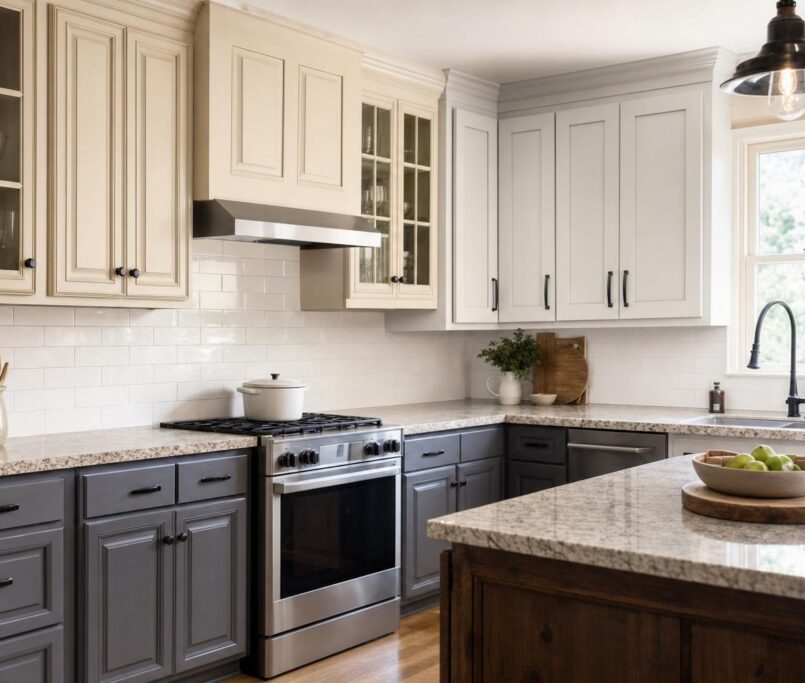
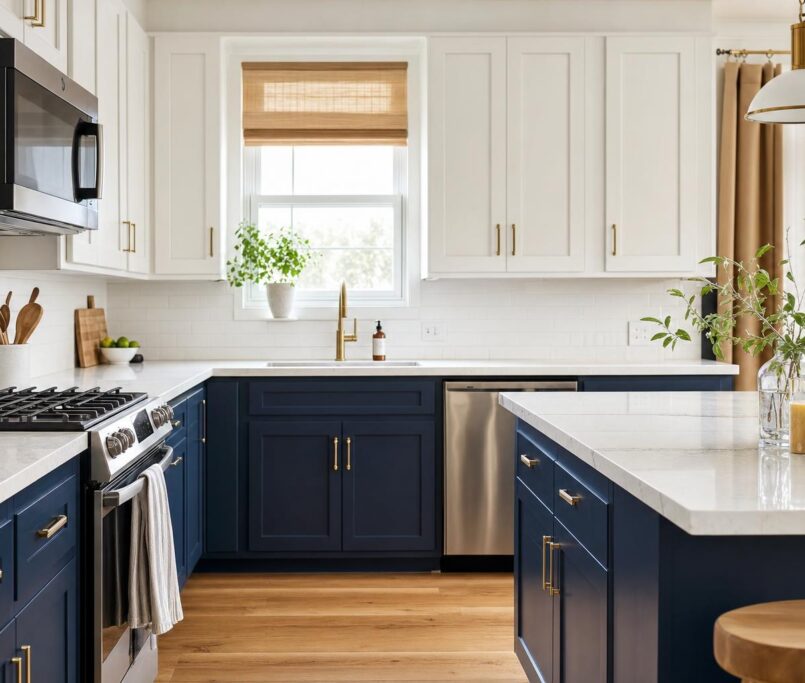
New cabinet doors and drawer fronts create the most visible change during refacing. You can select a different door style, finish, color, and hardware to give the kitchen a more current appearance without moving the cabinet layout.
The exposed cabinet ends and face frames are covered with matching veneer or another selected finish. The face frames are the front edges surrounding the openings, while the ends are the visible sides of the cabinet boxes. Your existing layout generally stays in place, which can reduce construction time and disruption.
- New doors can change the kitchen from traditional to modern without removing the cabinet boxes.
- New drawer fronts give the lower cabinets a consistent appearance with the replacement doors.
- Matching veneer covers visible cabinet surfaces that do not receive new doors.
- New hinges and handles can improve daily use and complete the updated style.
For details about service areas and typical project steps, see Cabinet Refacing New Jersey: Service Areas and Process.
How is refacing different from refinishing?
Refinishing means cleaning, sanding, staining, or painting the existing doors and surfaces. It can work well when the door style still suits your kitchen and the cabinet materials are in good condition.
Refacing gives you more style flexibility because you can replace the doors and drawer fronts with new profiles, materials, and finishes. It also updates the exposed cabinet surfaces for a more consistent result. Both options depend on the condition of the existing cabinet materials.
Full cabinet replacement is a larger project because the existing boxes are removed. It may change the layout, add new storage, and require more time, demolition, and cost. The best choice depends on your cabinet condition, design goals, and need for layout changes.

How Does the Cabinet Refacing Process Work?
The cabinet refacing process includes a consultation, measurements, cabinet inspection, design planning, surface preparation, installation, and final adjustments. Each step helps update your kitchen while keeping its existing cabinet boxes and layout.
During the consultation, a ReNu Kitchen professional reviews your goals, measures the cabinets, and checks the condition of the boxes, shelves, and hinges. You receive a free estimate based on the project scope, materials, and selected options. This inspection also confirms whether refacing is suitable or whether repairs or replacement sections are needed.
You can choose new door profiles, finishes, edge details, drawer fronts, and hardware. Options may include painted or wood-look surfaces, soft-close hinges, updated pulls, and drawer organizers. If you need more storage, custom cabinet additions can expand the kitchen without replacing the entire layout. Countertop upgrades can also be included in the project plan.
What should you decide before installation?
Decide how you want the existing layout to function, then confirm the door style, finish, hardware, drawer organization, and countertop options. Identify problems such as difficult-to-access corners, shallow storage, damaged shelves, or missing pantry space before work begins. Confirming the design early helps reduce changes during installation and keeps the project focused. For more cost factors, review Cabinet Refacing Cost: What Affects Your Price?.
- Confirm whether the existing cabinet layout meets your storage and work needs.
- Select the door profile, finish, edge details, drawer fronts, and hardware before materials are ordered.
- Identify drawer organization, shelving, or custom cabinet additions needed for better function.
- Decide whether a countertop upgrade belongs in the same project.
- Ask how appliances, plumbing, and the kitchen work area will be protected during installation.
Installation begins with protecting nearby surfaces and preparing the cabinet boxes. The doors and drawer fronts are removed, visible surfaces are cleaned and prepared, and new coverings are fitted to the boxes. New doors, drawer fronts, hardware, and accessories are installed, followed by alignment checks and final adjustments.
ReNu Kitchen brings more than 26 years of experience to cabinet refacing projects in Freehold and throughout New Jersey and parts of New York. Project timing depends on the kitchen size, materials, and custom work, so ask for a clear schedule with your estimate.

What Are the Benefits and Limitations of Refacing?
Refacing offers a refreshed kitchen with less cost, disruption, and construction than full replacement, but it only works when your cabinet boxes and layout are worth keeping. The work preserves a familiar arrangement while replacing doors, drawer fronts, and visible surfaces.
Refacing has a smaller project scope than removing and rebuilding the kitchen. Your countertops, flooring, plumbing, and appliances may remain in place, which can shorten the work to days or a few weeks depending on the kitchen. An individualized estimate is the best way to compare your options.
- New doors, drawer fronts, and hardware can give refaced kitchen cabinets a completely different style and feel.
- A countertop upgrade can coordinate the new cabinet finish and improve the work surface without changing the cabinet layout.
- Custom cabinet additions can provide targeted storage, such as a pantry, rollout section, or matching end panel.
- The existing layout stays familiar, so you avoid adjusting appliance locations, plumbing, and electrical connections.
| Factor | Refacing | Full kitchen replacement |
|---|---|---|
| Cost scope | Reuses sound cabinet boxes and limits new materials | Includes demolition, new cabinets, and a broader material scope |
| Disruption | Usually limited to the cabinet work, with less demolition | May involve demolition, delivery, construction, and longer periods without a working kitchen |
| Layout | Keeps the existing cabinet and appliance arrangement | Allows walls, cabinet locations, and appliance placement to change |
| Condition | Requires cabinet boxes that are level, solid, and free from major damage | Replaces damaged or unsuitable cabinets |
| Design flexibility | Offers new finishes, doors, hardware, countertops, and selected additions | Provides the widest choice of sizes, storage features, and layout changes |
Refacing will not correct swollen or broken cabinet boxes, unsafe construction, inadequate storage, or a fundamentally unsuitable layout. It may also be the wrong choice if you plan to move walls, relocate plumbing, or change the kitchen’s footprint soon.
The right choice depends on cabinet condition, design goals, project scope, and your long-term plans. ReNU Kitchen can review your existing kitchen and provide guidance with a free estimate. Ready to transform your kitchen? Contact us for your free estimate.
Should You Reface Kitchen Cabinets or Replace Them?
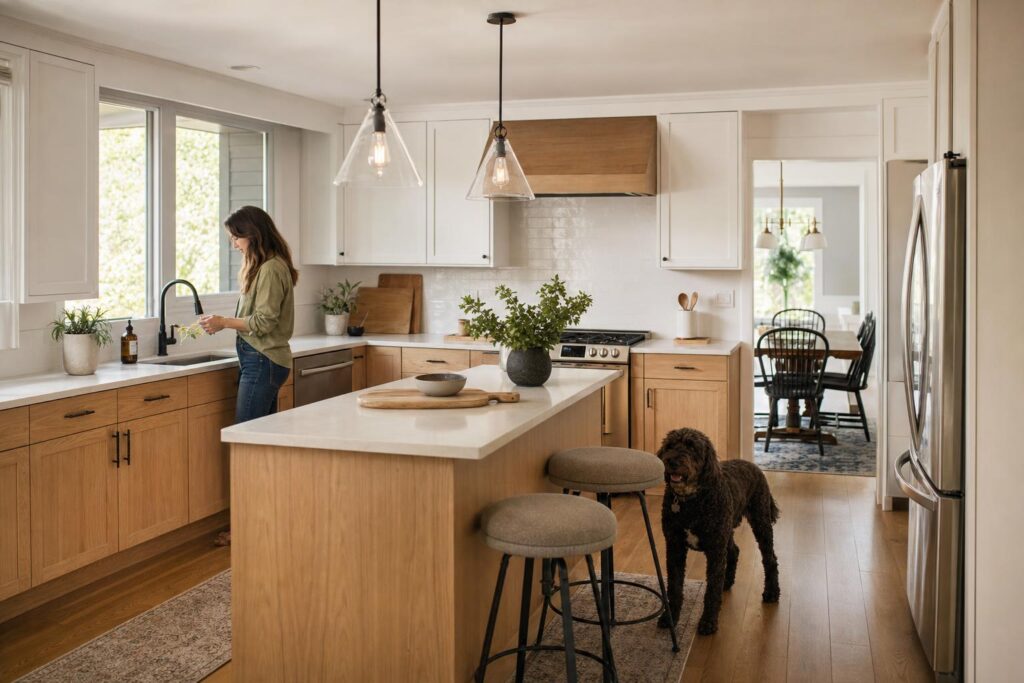
Reface kitchen cabinets when the cabinet boxes are sound and your current layout works; choose replacement when damage, storage limits, or major design changes require new cabinets. Refacing changes the appearance of your kitchen, while replacement can change its structure and function.
Check the existing boxes for water damage, sagging shelves, loose joints, mold, or materials that no longer hold screws securely. These problems can limit the results of kitchen cabinet refacing. Insufficient storage also matters if your cookware, appliances, or pantry items already exceed the available cabinet capacity.
Refacing keeps the walls, plumbing, electrical work, appliance locations, and cabinet layout mostly unchanged. Replacement can support a larger project, such as moving a sink, adding an island, changing cabinet heights, or creating more storage. Those changes usually increase the cost, planning, and time compared with updating doors, drawer fronts, and finished surfaces.
Before requesting guidance, use this checklist:
- The existing cabinet boxes are solid, level, and free from major water damage.
- Your current cabinet layout fits the way you use the kitchen.
- You want a new door style, finish, drawer fronts, or hardware rather than a new room design.
- Your existing storage is adequate for your cookware, food, and small appliances.
- You are not planning to move walls, plumbing, wiring, or major appliances.
When may cabinet replacement be the better option?
Cabinet replacement may be the better option when the boxes are structurally unsound or have extensive moisture damage. Mold, severe swelling, sagging, and loose construction can indicate that the existing foundation will not support refaced kitchen cabinets for the long term. Replacement also makes sense when you want a completely different layout or a broader kitchen remodel.
New cabinets provide more flexibility for storage, appliance placement, cabinet capacity, and room redesign. You may be able to add a pantry, change work zones, or reconfigure an island, but the project may involve new flooring, plumbing, electrical work, and longer installation time. ReNU Kitchen can assess your existing kitchen and discuss suitable options for your goals and budget.
What Can You Expect From Refaced Kitchen Cabinets?
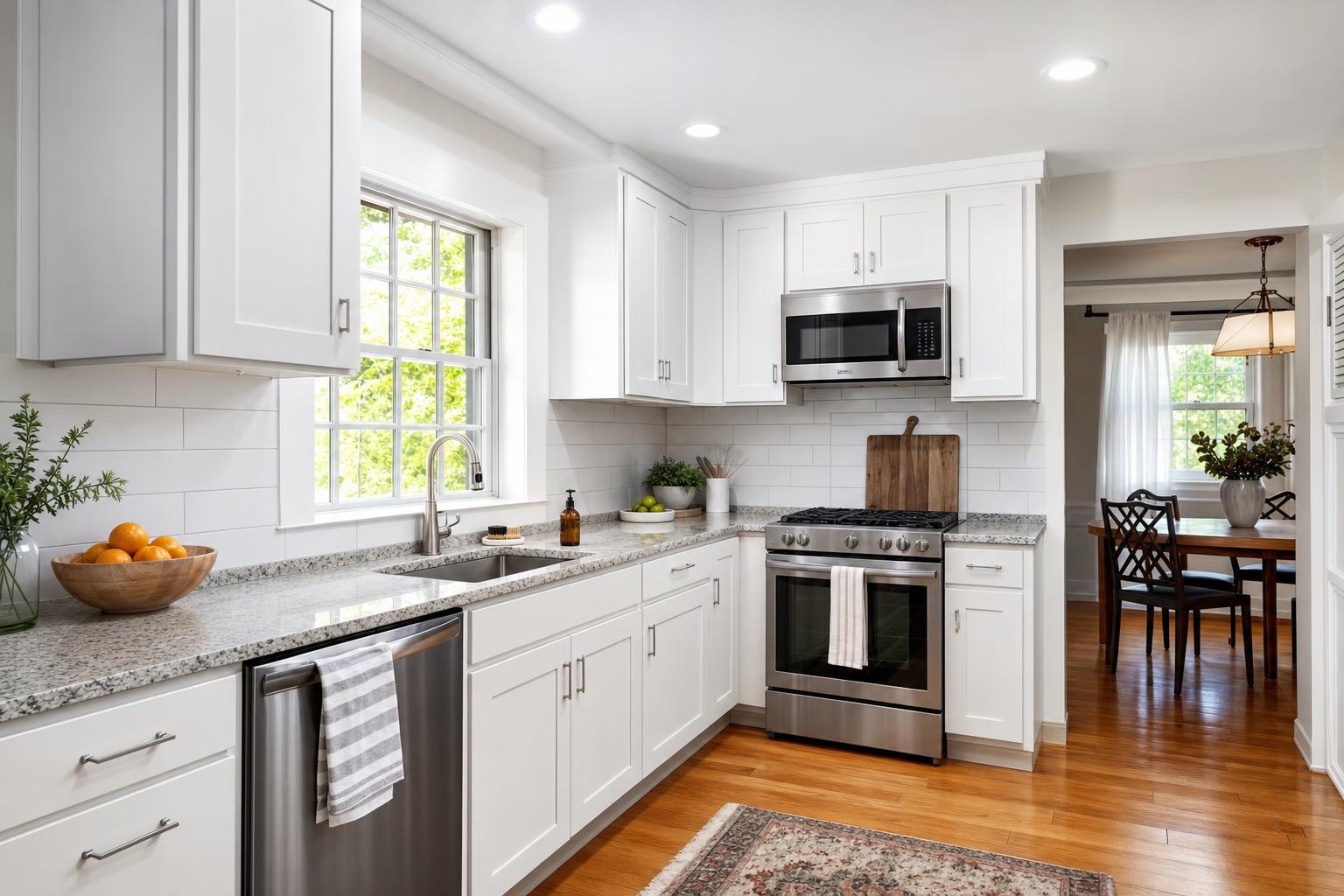
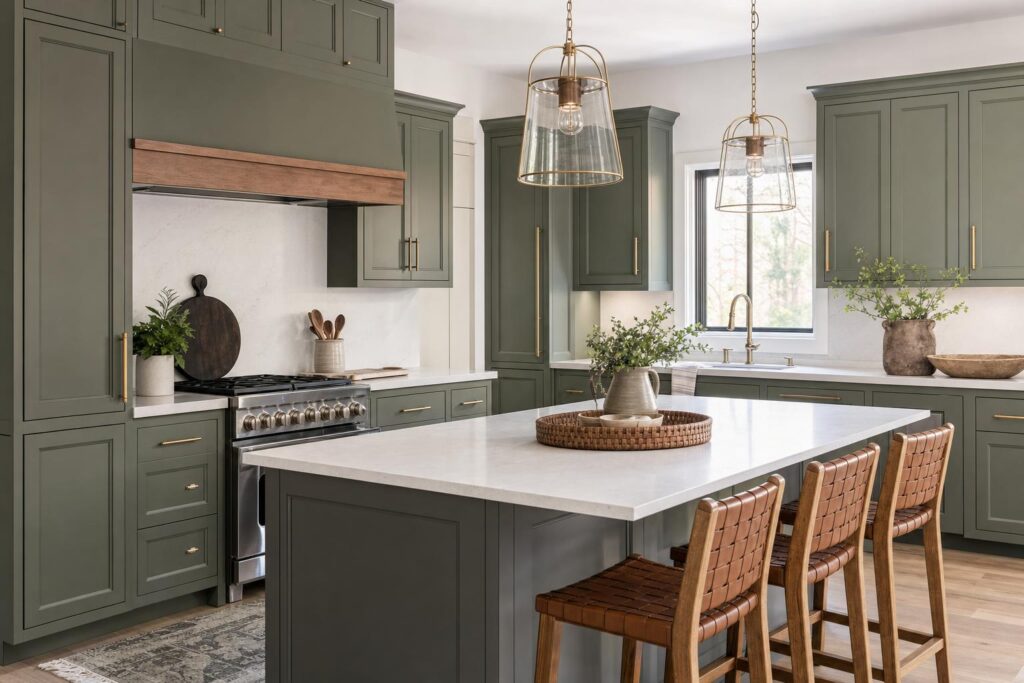
Refaced kitchen cabinets can look like a completely updated kitchen when the doors, drawer fronts, finishes, hinges, pulls, and countertops work together. The finished appearance depends on accurate measurements, quality materials, careful preparation, and professional installation. Your existing cabinet boxes and layout remain, but the visible surfaces can have a clean, coordinated style.
How can you plan the finished kitchen?
Plan the finished kitchen by reviewing how each material works with the others before installation. Coordinate the cabinet finish with your flooring, backsplash, appliances, lighting, and countertop so the room feels consistent rather than pieced together. Hardware placement also matters. Pulls and knobs should be easy to reach, while drawer fronts must allow drawers to open fully without hitting nearby doors or appliances. Custom cabinet additions may improve storage, but they should match the refaced cabinets in finish, proportions, and function. Review door, drawer, countertop, and hardware samples in your kitchen’s lighting, then confirm the complete scope, measurements, and installation details. For more information about planning and service considerations, read Cabinet Refacing New Jersey: Service Areas and Process.
Refaced kitchen cabinets are generally simple to maintain. Use cleaners recommended for the specific door material and finish, avoid abrasive products, and wipe spills instead of allowing moisture to sit on edges or joints. Do not soak cabinet surfaces or use excessive water near hinges and drawer hardware. Follow the manufacturer’s guidance for laminate, wood veneer, painted finishes, or other selected materials.
Refacing may be the right choice when your cabinet boxes are sound, the existing layout works, and your project goals fit the available budget. Replacement may make more sense when the boxes are damaged or you need a different layout. ReNU Kitchen brings more than 26 years of experience and custom craftsmanship to each project, with free estimates to help you compare options. Ready to transform your kitchen? Contact us for your free estimate.
Frequently asked questions
How long do refacing kitchen cabinets typically last?
Refaced kitchen cabinets can provide many years of service when the existing cabinet boxes are sound and the materials are properly installed and maintained. Longevity depends on the door and veneer materials, preparation, hardware quality, moisture exposure, daily use, and following the manufacturer’s cleaning recommendations.
Can you reface cabinets that are damaged?
Minor surface wear may be addressed during refacing, but severely damaged, swollen, loose, or water-damaged cabinet boxes may not be suitable. A professional inspection should determine whether the existing structure can support new doors and coverings or whether cabinet replacement is the safer option.
Does cabinet refacing change the kitchen layout?
Cabinet refacing usually keeps the existing kitchen layout, including cabinet locations and appliance placement. Homeowners may still add selected cabinets, storage features, countertops, or hardware, but major changes to walls, plumbing, electrical work, or cabinet capacity may require a broader remodeling project.
Is refacing less disruptive than replacing kitchen cabinets?
Refacing is generally less disruptive than full cabinet replacement because the existing cabinet boxes and layout remain in place. The project still requires preparation, access to cabinet surfaces, and installation time. The exact disruption depends on the kitchen’s size, selected upgrades, countertop work, and cabinet condition.
What does Renu Kitchen include in a refacing project?
Renu Kitchen can discuss cabinet doors, drawer fronts, exposed cabinet surfaces, hardware, countertop upgrades, and custom cabinet additions based on your existing kitchen. The process begins with guidance and a free estimate. The recommended scope depends on cabinet condition, layout, design goals, and the improvements you want to make.
Find the Right Cabinet Update for Your Kitchen
Ready to transform your kitchen? Contact us for your free estimate.