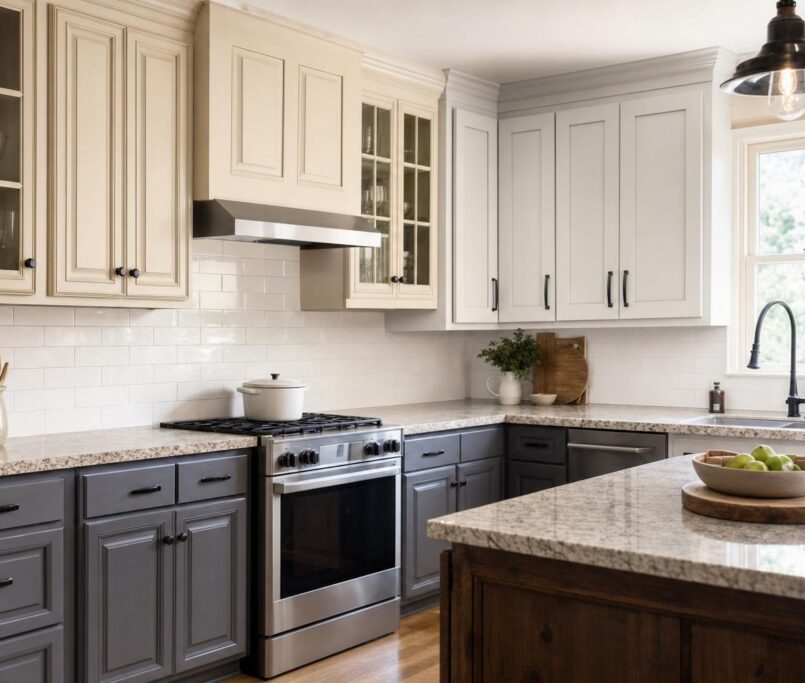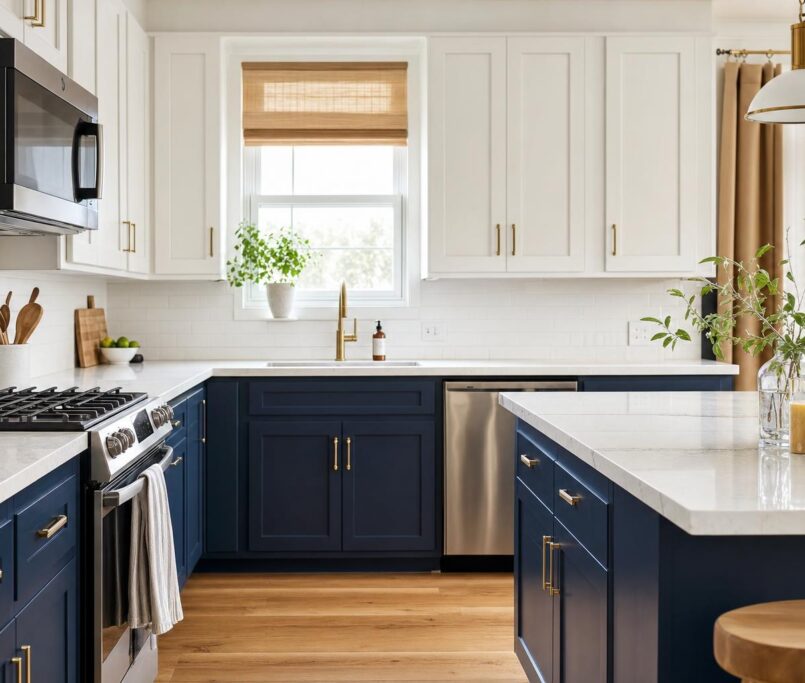
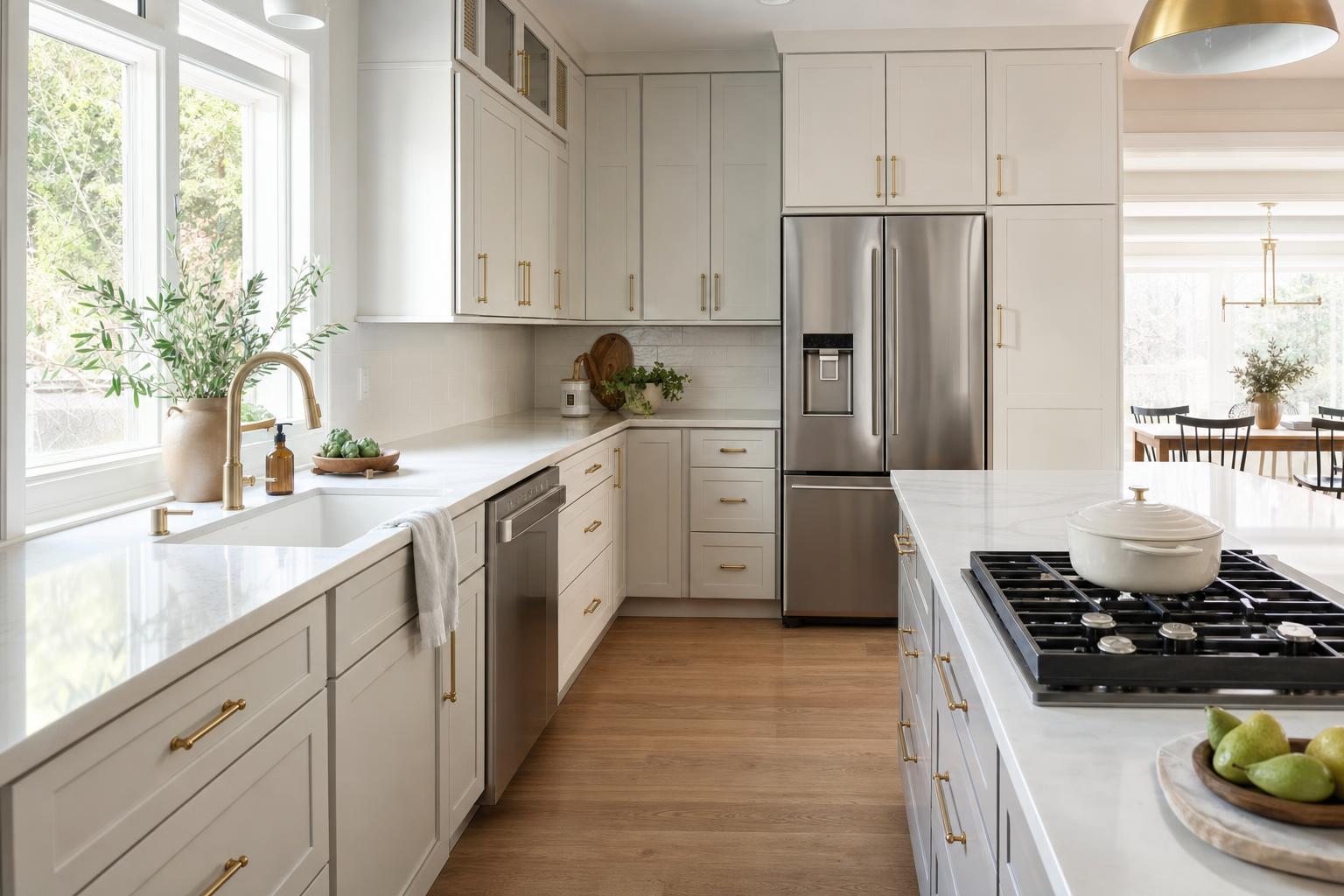
Cabinet Refacing vs Replacing: Which Is Right for You?
Cabinet refacing vs replacing depends on your cabinet condition, kitchen layout, storage needs, budget, and tolerance for disruption. Refacing may be the right choice when your existing cabinet boxes and layout work well, while replacement is better when cabinets are damaged, poorly arranged, or unable to meet your storage needs.
Key takeaways
- Cabinet refacing updates doors, drawer fronts, and exposed cabinet surfaces while keeping the existing cabinet boxes.
- Cabinet replacement provides new kitchen cabinets and may allow major changes to layout, storage, and cabinet size.
- Refacing is usually more practical when cabinet boxes are structurally sound and the kitchen layout already works.
- Replacement may be necessary when cabinets have widespread water damage, severe deterioration, or unusable construction.
- Your budget, project timeline, and tolerance for kitchen disruption should influence whether you reface or replace cabinets.
What Is the Difference Between Cabinet Refacing and Replacing?
Cabinet refacing keeps your existing cabinet boxes and updates the visible parts, while cabinet replacement removes those boxes and installs entirely new kitchen cabinets. Refacing can include new doors, drawer fronts, veneers, finishes, hardware, and selected countertop upgrades. Replacement gives you a broader chance to change the kitchen’s layout, storage, and work zones.
What Does Cabinet Refacing Include?
Cabinet boxes are the fixed structural portions of your cabinets. They hold the shelves, doors, drawer systems, and other interior components. During refacing, the boxes usually remain in place while the doors and drawer fronts are replaced, and the exposed surfaces receive a new veneer or finish. You can also update knobs, pulls, hinges, and selected countertops. Custom cabinet additions may provide space for a pantry, appliance garage, or wider drawer bank when the existing layout allows it. The kitchen footprint generally stays in place, so the project causes less construction and disruption than a full replacement. Refacing Kitchen Cabinets: What Homeowners Should Know explains the process in more detail.
What Does Cabinet Replacement Include?
Cabinet replacement involves removing the existing cabinets and installing entirely new cabinet boxes, doors, drawer systems, shelves, and hardware. Because every component is new, you have more freedom to change cabinet sizes, add storage, improve work zones, or move sections of the layout. This option may be necessary when the existing boxes have water damage, severe wear, or poor construction. It can also involve wall repairs, flooring adjustments, plumbing or electrical coordination, and longer project scheduling. More construction usually means more cost, noise, and disruption while the kitchen is being rebuilt.
Your kitchen renovation choices should be based on the condition of the cabinets and the goals for the space:
- Refacing may suit a kitchen with sound cabinet boxes and a layout you already like.
- Replacement may suit cabinets with structural damage, moisture problems, or poor construction.
- Refacing usually costs less and takes less time than installing new cabinets.
- Replacement offers more control over storage, cabinet sizes, and layout changes.
- Both options can include updated finishes, hardware, and selected design improvements.
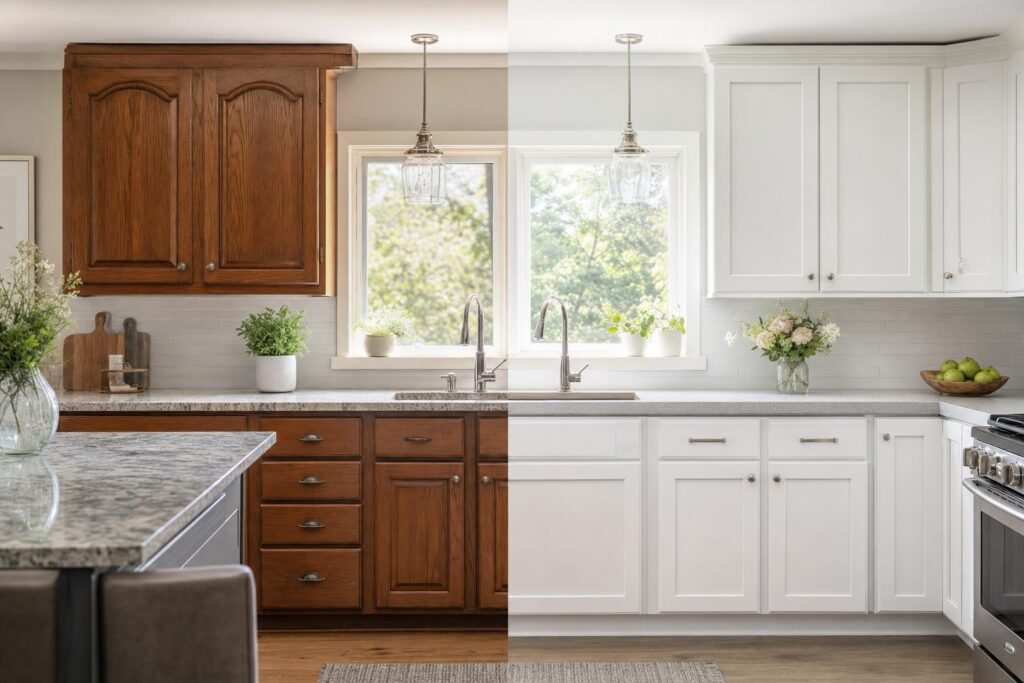
Does Your Kitchen Layout Work Well Enough to Reface?
Your kitchen layout works well enough to reface when appliance locations, work zones, traffic flow, and cabinet placement already support how you cook. Refacing updates cabinet doors, drawer fronts, and exterior surfaces, but it does not easily change the kitchen’s footprint.
When Is Keeping the Existing Layout a Benefit?
A proven layout can reduce construction because your plumbing, electrical connections, and appliance locations can stay in place. Keeping those elements stable often means faster planning, fewer construction changes, and less disruption to your home. If you are deciding whether to reface or replace cabinets, consider whether the room already functions well before changing its appearance.
- Your refrigerator, range, and sink are positioned for a practical work sequence.
- Your existing counter space gives you enough room to prepare meals and set appliances.
- Cabinet doors and drawers open without blocking walkways or nearby appliances.
- Traffic can move through the kitchen without crossing the main cooking area.
- The cabinet boxes are solid, square, and free from major water or structural damage.
Homeowners can still make the kitchen feel new through different door profiles, paint colors, wood finishes, hardware, and countertop materials. A countertop upgrade or new hardware may also improve daily use without moving the cabinet layout. The Cabinet Refacing New Jersey: Service Areas and Process explains what homeowners can expect from the refacing process.
Replacement may be the better option when the layout limits your kitchen every day. Insufficient counter space, awkward corners, poor cabinet placement, and blocked work zones can point to a need for new kitchen cabinets or broader cabinet replacement alternatives. A full replacement gives you more freedom to change the footprint, add cabinets in new locations, or correct inefficient storage.
Custom cabinet additions offer a middle option when the layout mostly works but needs modest improvement. You might add a pantry cabinet, a taller storage unit, or a small cabinet section for cookware and small appliances. The right choice depends on whether you need a visual update, more storage, or a fundamentally different kitchen arrangement.

Are Your Existing Cabinets in Good Enough Condition to Reface?
Your existing cabinets are good enough to reface when the cabinet boxes are solid, level, dry, and strong enough to support new doors, drawer fronts, and hardware. If they have extensive water damage, severe warping, mold, loose construction, or failing interiors, replacement may be the safer choice.
A Simple Cabinet Condition Check
Start by inspecting the areas that reveal cabinet condition most clearly: cabinet bottoms, the sink-base area, hinges, shelves, and joints. Worn finishes, dated colors, and damaged doors are usually cosmetic concerns, so you may be able to keep the existing boxes and update their appearance. Structural damage affects how the cabinets function and hold weight, which makes it more serious.
- Inspect the cabinet bottoms for swelling, soft spots, dark staining, or crumbling material that may indicate water damage.
- Check the sink-base cabinet for leaks, mold, warped panels, and damage around plumbing openings.
- Open each door and drawer to test whether hinges, slides, shelves, and joints remain secure during normal use.
- Look for cabinet boxes that lean, separate at the joints, or cannot hold doors and hardware squarely.
- Examine the interiors for widespread damage rather than isolated scratches, stains, or worn shelf surfaces.
Minor scratches, faded surfaces, and a few damaged doors can often be addressed through refacing, drawer front replacement, or hardware replacement. Widespread structural problems may require new kitchen cabinets because covering damaged boxes will not solve the underlying issue. These cabinet replacement alternatives are worth comparing with a professional before you commit to a renovation plan.
If you cannot tell whether a problem is cosmetic or structural, request a professional assessment. A cabinet refacing specialist can inspect the existing construction, explain your options, and confirm whether the boxes can support the finished work. For more details, read Refacing Kitchen Cabinets: What Homeowners Should Know.
How Do Storage Needs Affect the Reface-or-Replace Decision?
Storage needs can determine whether refacing is enough or whether replacing cabinets is the right choice. Refacing keeps your existing cabinet dimensions and storage capacity in most cases, while replacement allows taller cabinets, deeper drawers, pantry storage, or a new island.
Can Refacing Add Storage?
Refacing can improve function without a complete replacement when your main problem is access or organization. New drawer fronts may support updated drawer boxes, while pull-out shelves, tray dividers, lazy Susans, and other organizers can make existing space easier to use. Selected custom cabinet additions may also add a narrow pantry, a matching cabinet, or a small storage section.
These options do not create major new capacity by themselves. A significant increase usually requires new cabinet boxes, a different layout, taller units, or an added island. Separate your appearance goals from your storage problems before you decide whether to reface or replace cabinets. If the cabinet boxes work but the interiors are difficult to use, targeted upgrades may be enough.
| Consideration | Cabinet refacing | Cabinet replacement |
|---|---|---|
| Storage flexibility | Keeps existing cabinet sizes and capacity | adds organizers or selected components |
| Layout changes | Usually keeps the current footprint | Can change cabinet placement, aisle space, and work zones |
| Disruption | Often completed in days with less demolition | Commonly takes several weeks and involves cabinet removal |
| Best fit | A sound layout with manageable storage needs | Damaged, undersized, or poorly arranged cabinets |
New kitchen cabinets make sense when storage is the main reason for your renovation, not just when you want a different door style or finish. Replacement can solve problems such as a short pantry, limited drawer space, or an island that does not fit your work area. Ask how each option affects demolition, plumbing, flooring, and countertop work.
For a clearer budget comparison, review Cabinet Refacing Cost: What Affects Your Price?. The best kitchen renovation choice matches your storage goals to the condition of your existing cabinets, with guidance based on your layout and project scope.
How Do Budget and Disruption Compare?
Refacing is usually less expensive and less disruptive than replacing cabinets when your existing cabinet boxes and layout are usable. It updates doors, drawer fronts, and exposed surfaces without removing the cabinet framework, which can reduce material, labor, and disposal costs.
Your total cost depends on the kitchen’s size, door style, finish materials, hardware, countertop choices, and labor. Custom cabinet additions, trim work, or changes to the layout can also increase the scope. Ask for a project-specific estimate rather than relying on a general price range.
Surface updates may take several days to a few weeks, depending on the number of cabinets and selected materials. You may still use much of your kitchen during the work, although counters and cabinet sections may be temporarily unavailable. Replacement usually involves demolition, disposal, cabinet installation, and possible flooring, plumbing, or electrical work. Those steps can create more dust, noise, and time without a working kitchen.
What Should You Include in the Project Budget?
Compare complete scopes before choosing between cabinet replacement alternatives. A lower initial price may not be the right value if your layout or storage remains unsuitable. At the same time, comparing one cosmetic quote with one full replacement quote can make the options appear less balanced than they are.
- Include new doors and drawer fronts as separate line items when reviewing a refacing estimate.
- Account for hardware, finish materials, trim, and installation labor in the project scope.
- Add countertop removal, fabrication, installation, and disposal if the counters are changing.
- Include custom cabinet additions when you need more storage or a different cabinet arrangement.
- Ask whether demolition and disposal are included with new kitchen cabinets or replacement work.
- Review possible flooring, plumbing, and electrical costs when the layout will change.
The right choice depends on what your budget needs to accomplish. If the existing structure works, refacing can provide a practical path to a refreshed kitchen with less disruption. A complete estimate from an experienced contractor will help you compare the real cost and timeline of each option.

Which Option Is Right for Your Kitchen?
Refacing is usually right when your kitchen layout works, cabinet boxes are sound, and you want a faster, less disruptive update; replacement is better when the layout fails, storage needs are substantial, or the cabinet construction is extensively damaged. Your budget, style goals, and tolerance for construction should guide whether you reface or replace cabinets.
Choose refacing when the existing cabinet boxes are sturdy but the doors, drawer fronts, finish, or hardware look dated. This approach keeps the current layout and updates the visible surfaces, with options for new doors, drawer fronts, hardware, and countertops. It may give you the kitchen style you want without removing every cabinet.
New kitchen cabinets make more sense when you need to move appliances, add significant storage, correct poor traffic flow, or replace cabinets with water damage, warped panels, or weak construction. Replacement allows a complete layout change, but it typically involves more materials, more labor, higher cost, and a longer period of disruption.
A Practical Recommendation Checklist
Use this decision path to compare condition, function, budget, and project speed before choosing a cabinet replacement alternative. A free estimate can help you understand the available options before you commit to a larger renovation.
- Keep refacing on your short list if your kitchen layout supports your daily cooking and storage needs.
- Choose refacing when the cabinet boxes are sound and your main goal is a faster, less disruptive style change.
- Consider replacement if the layout fails, your storage needs are substantial, or the cabinet construction has extensive damage.
- Compare your budget with the added time and disruption that new kitchen cabinets may require.
- Ask for guidance when you are unsure whether the existing cabinets can support refacing.
ReNU Kitchen refaces existing cabinets and can discuss doors, drawer fronts, hardware, countertops, and custom cabinet additions. With more than 26 years of experience, our team provides custom craftsmanship and free estimates for homeowners across New Jersey and parts of New York. Contact us to review your existing kitchen before deciding.
The right choice depends on your cabinet condition, layout, budget, and project goals, so practical guidance can help you move forward with confidence.
Frequently asked questions
Is cabinet refacing cheaper than replacing cabinets?
Cabinet refacing is often less expensive than replacing cabinets because the existing cabinet boxes remain in place. Your total price depends on kitchen size, door and drawer-front materials, finish, hardware, countertops, custom additions, and labor. A detailed estimate is the best way to compare complete project scopes accurately.
How do I know if my cabinets can be refaced?
Your cabinets may be suitable for refacing if the boxes are solid, level, dry, and securely attached, with no widespread water damage or severe warping. Cosmetic wear, dated finishes, and worn doors are usually more manageable. A professional inspection can identify structural issues that may require replacement.
Does cabinet refacing change the kitchen layout?
Cabinet refacing generally keeps the existing layout, cabinet box locations, and major work zones in place. It can update doors, drawer fronts, finishes, hardware, and selected components, but it is not intended for major changes to walls, appliance locations, or cabinet dimensions. Custom additions may address limited storage needs.
When should I choose new kitchen cabinets instead?
New kitchen cabinets may be the better choice when the existing layout creates ongoing problems, storage is insufficient, or cabinet boxes have extensive damage. Replacement also provides more flexibility for cabinet sizes, islands, pantries, and work zones. The larger scope usually brings more construction, cost, and disruption.
Can ReNU Kitchen help me decide whether to reface or replace cabinets?
Yes. ReNU Kitchen can review your existing kitchen, discuss cabinet condition and layout, and explain options such as refacing, drawer front replacement, hardware, countertops, and custom cabinet additions. With more than 26 years of experience, the company provides guidance and free estimates for homeowners across New Jersey and parts of New York.
Choose the Cabinet Update That Fits Your Home
Ready to transform your kitchen? Contact ReNU Kitchen at (732) 890-9911 for your free estimate.