
How Long Does Cabinet Refacing Take? Timeline Guide
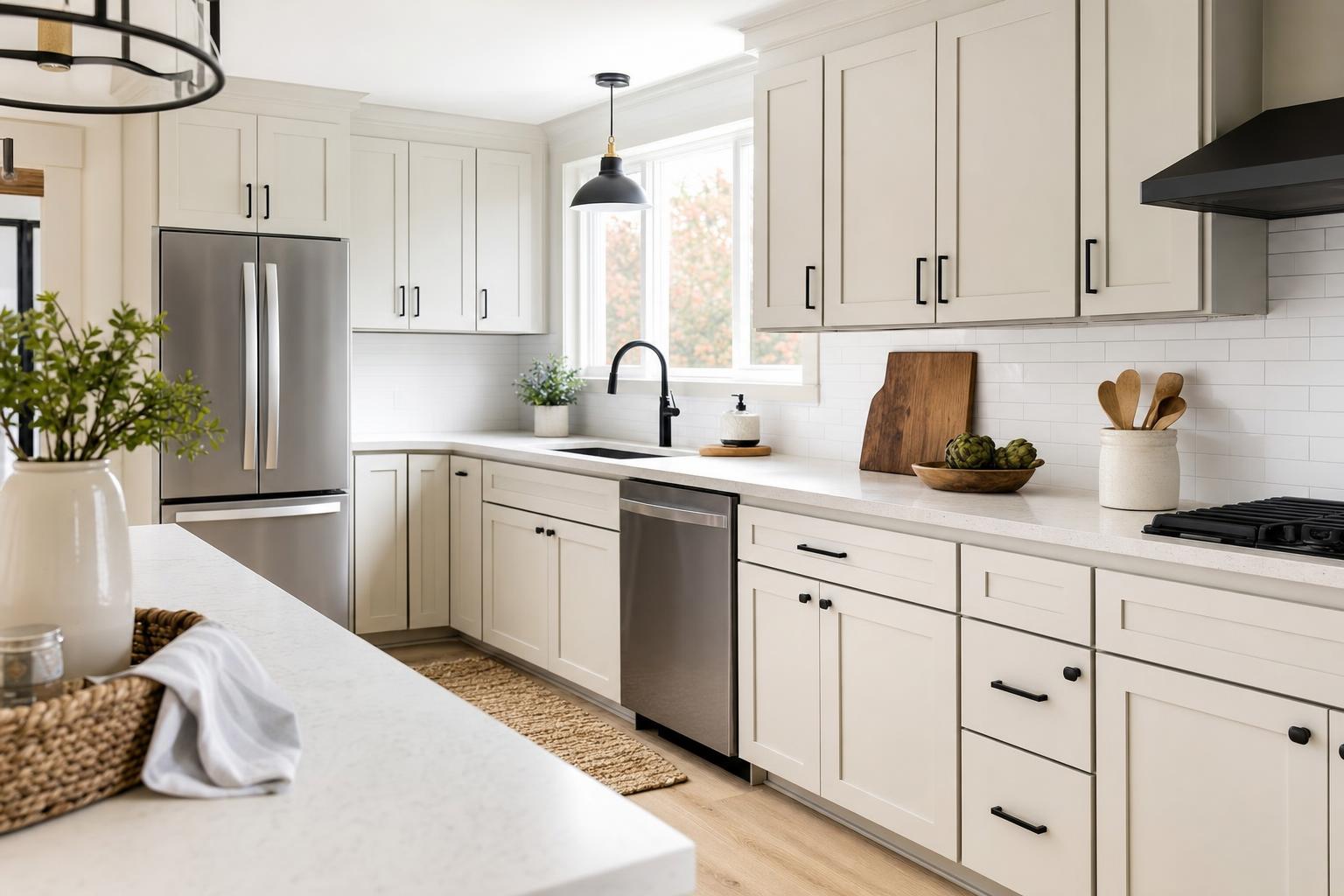
How long does cabinet refacing take? Most projects take about three to five days after materials arrive, although the full cabinet refacing timeline may include one to several weeks for measuring, design approval, and production. Your kitchen layout, selected materials, custom additions, and preparation needs determine the final schedule.
Key takeaways
- Most cabinet refacing installations take approximately three to five working days once materials are ready.
- The complete kitchen refacing time includes consultation, measurements, design approval, material ordering, production, and installation.
- Cabinet refacing usually creates less disruption than removing and replacing the existing cabinet layout.
- Damaged cabinet boxes, custom cabinet additions, countertop work, and hardware changes can extend the project schedule.
How Long Does Cabinet Refacing Take From Start to Finish?
A complete cabinet refacing project commonly takes one to several weeks from consultation through installation, with about three to five working days spent in your kitchen. Refacing replaces the visible doors, drawer fronts, and surface coverings while keeping suitable existing cabinet boxes in place.
The full cabinet refacing timeline includes an initial consultation, measurements, layout review, design decisions, ordering, production, and cabinet refacing installation. Your selected materials, custom additions, and preparation needs can change the schedule, so these ranges are practical estimates rather than guarantees.
| Project phase | Typical time | What happens |
|---|---|---|
| Consultation and measurements | 1 to 3 days | The existing cabinets, layout, and project needs are reviewed and measured |
| Design approval and ordering | 1 to 2 weeks | You choose doors, drawer fronts, finishes, hardware, countertops, and additions |
| Production | 2 to 5 weeks | Approved components are made and prepared for installation |
| On-site installation | 3 to 5 working days | New coverings and replacement components are installed |
What Happens Before Installation Begins?
Before installation, a consultant inspects your existing cabinet boxes to confirm they are sound and suitable for refacing. Measurements, the current layout, storage needs, and any changes are reviewed during this visit, which may take one to three days to schedule and complete.
You then select door styles, drawer fronts, finishes, hardware, and any countertop upgrades. Custom cabinet additions or layout changes can require extra measurements, design work, and production time. Production begins after you approve the design, materials, and project scope.
- The initial consultation identifies your goals and checks whether the existing cabinet boxes can be refaced.
- Measurements confirm the cabinet sizes, openings, fillers, and spaces for replacement components.
- Design approval establishes the door style, drawer fronts, finish, hardware, and selected upgrades.
- Ordering and production begin after the scope and materials receive approval.
- Installation is scheduled when the replacement parts are ready.
For more detail on materials and project decisions, read Refacing Kitchen Cabinets: What Homeowners Should Know before finalizing your options.
How Many Days Does Cabinet Refacing Installation Take?
Many standard kitchens require roughly three to five working days on site. The crew removes selected doors and drawer fronts, prepares the cabinet surfaces, installs new coverings on the visible cabinet areas, and fits the replacement doors, drawer fronts, and hardware.
Larger kitchens, detailed layouts, custom cabinet additions, or countertop work may add days to the installation period. The on-site work is usually much shorter than the full kitchen update timeline because design approval and production happen beforehand. ReNU Kitchen brings more than 26 years of experience and provides guidance to homeowners across New Jersey and parts of New York, helping you choose the right approach for your existing kitchen.

What Does the Cabinet Refacing Installation Process Include?
Cabinet refacing installation usually includes protecting the work area, removing selected parts, preparing cabinet boxes, applying new surfaces, fitting components, and completing final adjustments and cleanup. Cabinet boxes are the fixed structural cases that remain in place during suitable refacing projects. Existing plumbing, electrical, and appliance locations generally stay unchanged, which helps limit disruption and keeps the existing layout intact.
What Are the Main Installation Steps?
Your installers will review the work area and confirm the approved materials before starting. You should clear counters, empty the cabinets being worked on, and keep a safe path to the kitchen each day. Careful preparation supports a durable, consistent finish and can prevent avoidable delays.
- Installers protect floors, nearby walls, countertops, and appliances before removing selected doors, drawer fronts, and hardware.
- They clean, sand, and prepare the cabinet boxes so veneer or laminate adheres evenly to the existing surfaces.
- They apply the new veneer or laminate to exposed cabinet sides, frames, and other approved areas, trimming each section for a neat fit.
- They fit the replacement doors and drawer fronts, install new or reused hardware, and coordinate countertop work when that option is included.
- They check alignment, gaps, hinges, drawer movement, surface consistency, and overall operation before making final adjustments and cleaning the area.
Refacing teams may need your decisions during installation, such as confirming hardware placement or approving a custom cabinet addition. Access to the kitchen is important, although some work areas may be available between installation tasks. For additional planning details, see Cabinet Refacing New Jersey: Service Areas and Process.
A typical project leaves plumbing, electrical, and appliance connections in their existing locations. If you request layout changes, new cabinets, or related countertop and utility work, the kitchen update timeline may extend beyond standard refacing.

How Much Kitchen Disruption Should You Expect During Refacing?
Cabinet refacing usually causes less disruption than replacement, with most kitchen refacing time limited to several active workdays while your existing layout stays in place. You should still expect temporary limits on cabinets, countertops, the sink, and some appliances.
Refacing avoids extensive demolition because the cabinet boxes remain. Installers remove doors and drawer fronts, prepare the surfaces, and install new fronts and coverings. Dust and noise are usually most noticeable during cutting, sanding, and fitting, while adhesives and finishes may create temporary odors.
- Clear dishes, food, cookware, and cleaning supplies from every cabinet and drawer before installation begins.
- Create a temporary food-preparation area with a small table, microwave, coffee maker, and basic utensils.
- Plan simple meals because the sink, countertop, range, or refrigerator may be unavailable at different points.
- Keep children and pets away from tools, materials, dust, and wet finishes throughout the workday.
- Confirm how installers will protect surfaces and complete daily cleanup before the project starts.
Your contractor should explain which areas will be unavailable and whether cleanup happens at the end of each day. Ask about ventilation, odor control, appliance access, and when you can safely use each surface. For planning costs and material choices, see Cabinet Refacing Cost: What Affects Your Price?.
| Project factor | Cabinet refacing | Full kitchen replacement |
|---|---|---|
| Active work | Typically several days | Often one to several weeks |
| Demolition | Limited removal of doors and drawer fronts | Cabinet removal and extensive demolition |
| Kitchen layout | Usually stays the same | May change substantially |
| Daily disruption | Temporary access limits | Longer loss of cabinet, countertop, sink, and appliance access |
Refacing may be the right choice when your cabinet boxes and layout work well, but the finishes look dated. Full replacement suits homeowners who need new cabinet locations, major structural changes, or a different work triangle. The best kitchen update timeline depends on your goals, existing cabinet condition, and tolerance for disruption.
What Factors Can Change Your Kitchen Update Timeline?
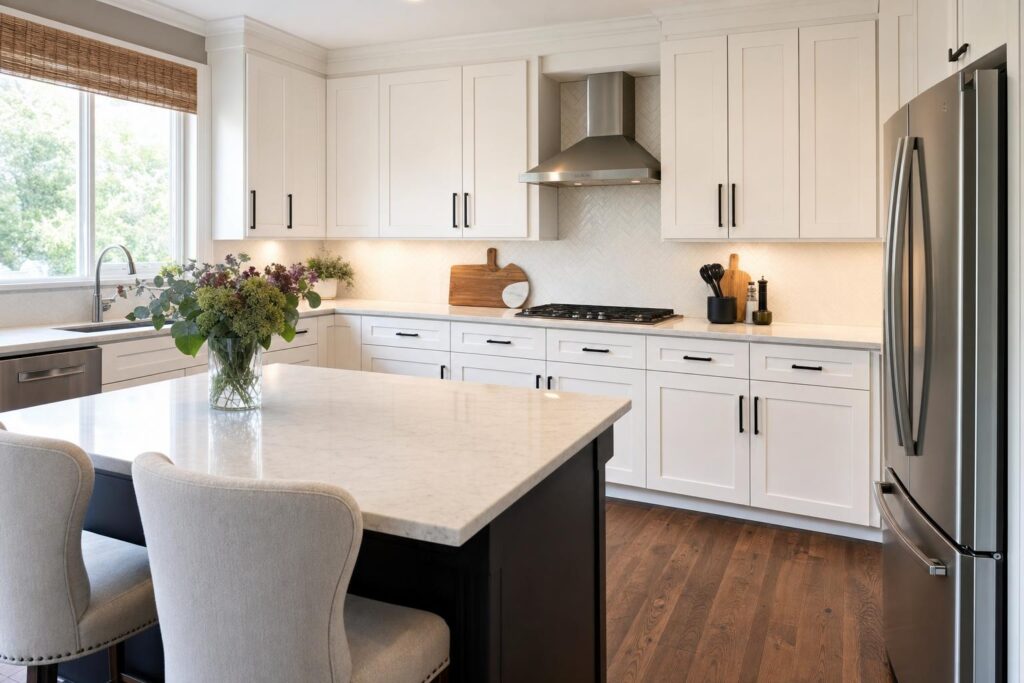
Your kitchen update timeline can change with cabinet condition, kitchen size, layout complexity, material availability, custom additions, countertop work, and hardware choices.
Which Project Details Usually Add Time?
Repairs can extend scheduling when water damage, structural problems, or unsuitable cabinet boxes require correction or a different project approach. Unusual cabinet dimensions, custom finishes, specialty hardware, and longer material lead times may also affect cabinet refacing installation.
Countertop upgrades, electrical work, plumbing changes, and new cabinet sections may require separate trades or added coordination. Weather and supplier issues can affect deliveries, but a written plan helps identify changes early. Ask whether measurements, design approval, and material orders are complete before setting the installation date.
- Accurate measurements reduce the risk of ordering replacement doors, drawer fronts, or panels that do not fit.
- Quick decisions on colors, finishes, hardware, and countertops help prevent avoidable ordering delays.
- Water damage or weak cabinet boxes should be addressed before refacing begins.
- A phase-by-phase schedule shows when preparation, delivery, installation, and final adjustments will occur.
- Ask how access, schedule changes, and change orders will be handled if the project scope changes.
How Can You Prepare for a Smoother Schedule?
Finalize your selections and approve the design before materials are ordered. Empty the cabinets, confirm appliance access, and plan simple meals for the installation days so the work area stays available.
Before work begins, verify the expected start date, completion date, daily work hours, and the best contact person. Ask what areas must remain clear and how the contractor will communicate delivery changes or added work. For hardware ideas, review Kitchen Cabinet Hardware: How to Choose the Right Style before making final selections.
The right choice depends on your existing kitchen, project goals, budget, and desired level of disruption. ReNU Kitchen can provide guidance and a free estimate based on your existing cabinets, layout, and update plans.
Frequently asked questions
How long does cabinet refacing take once installation starts?
Once materials are ready, cabinet refacing installation commonly takes about three to five working days for a standard kitchen. Larger kitchens, repairs, custom cabinet additions, countertop upgrades, or unusual layouts may require more time. The installer should provide a project-specific schedule after measuring the existing kitchen.
Is cabinet refacing faster than replacing kitchen cabinets?
Cabinet refacing is generally faster than full cabinet replacement because suitable cabinet boxes and the existing layout remain in place. It avoids much of the demolition, disposal, and rebuilding involved in replacement. The exact schedule still depends on cabinet condition, material availability, design choices, and any added remodeling work.
Can I use my kitchen during cabinet refacing?
You may have limited kitchen access during cabinet refacing, but active work can temporarily affect countertops, cabinets, sinks, appliances, and food-preparation areas. Homeowners should plan simple meals elsewhere, remove items from cabinets, and keep children and pets away from the work zone until daily cleanup is complete.
What can delay a cabinet refacing project?
Common delays include damaged cabinet boxes, inaccurate measurements, late design decisions, material backorders, specialty finishes, custom additions, and countertop or plumbing coordination. Renu Kitchen can identify many scheduling variables during the consultation. Approving selections promptly and preparing the kitchen before installation can help maintain the planned timeline.
What Is the Right Cabinet Refacing Timeline for Your Kitchen?
Ready to transform your kitchen? Contact us for your free estimate.