
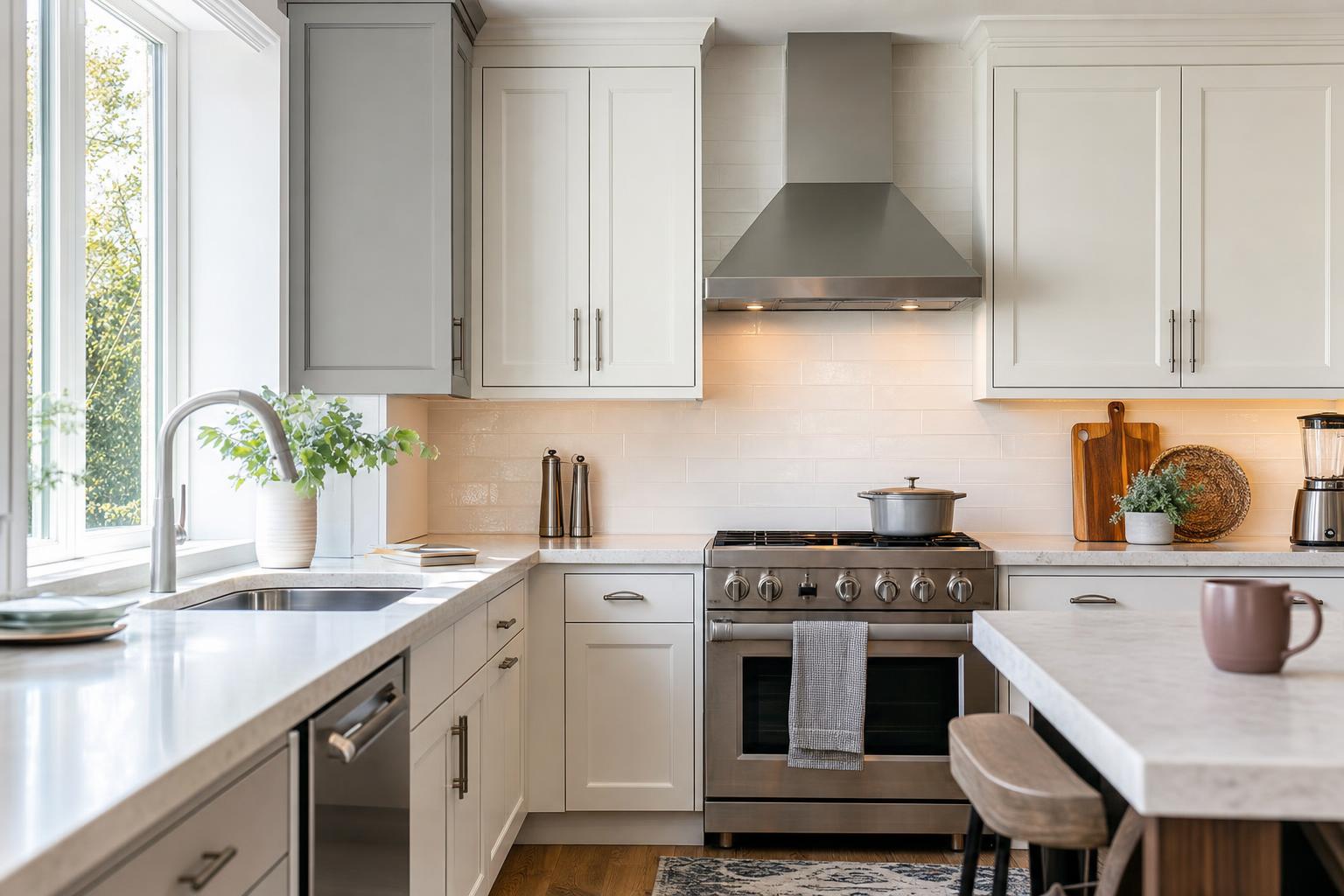
Cabinet Refacing Cost: What Affects Your Price?
Cabinet refacing cost typically depends on the number of doors and drawer fronts, the size and condition of your existing cabinets, the materials you choose, and any upgrades added to the project. Comparing these factors before requesting an estimate helps you budget for the cost to reface kitchen cabinets without assuming a full replacement is necessary.
Key takeaways
- Cabinet refacing cost is primarily affected by kitchen size, cabinet condition, materials, labor, and selected upgrades.
- Refacing replaces visible doors, drawer fronts, and exterior surfaces while keeping sound cabinet boxes in place.
- A kitchen with a stable layout and structurally sound cabinet boxes is usually a stronger candidate for refacing.
- Hardware, storage accessories, countertop work, and custom cabinet additions can increase the project price.
- A detailed in-home estimate is the most reliable way to determine cabinet refacing prices for a specific kitchen.
What Is Included in Cabinet Refacing Cost?
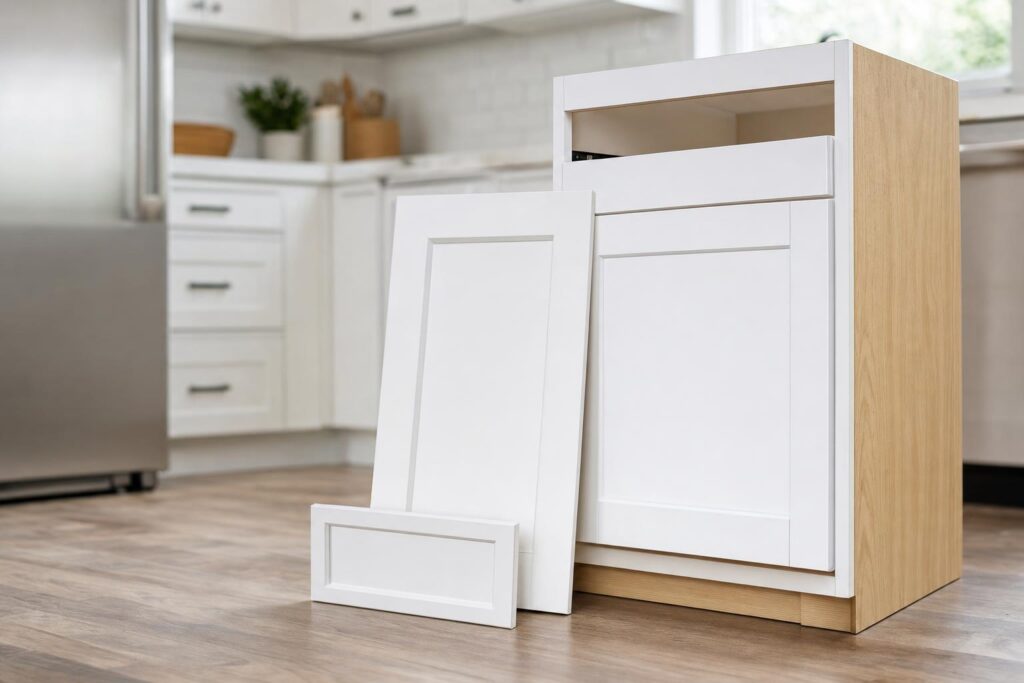
Cabinet refacing cost covers new doors, drawer fronts, and exterior coverings while keeping your existing cabinet boxes in place. The cabinet boxes are the structural cases attached to the wall, so refacing changes the visible surfaces without changing your kitchen’s basic layout. This approach may be the right choice when the boxes are sound and you want affordable kitchen updates with less disruption than a full replacement.
What Does a Typical Refacing Quote Include?
A typical quote begins with measuring the cabinets and reviewing their condition, layout, and access. It may include surface preparation, new cabinet doors, replacement drawer fronts, veneer on exposed cabinet frames, finished end panels, installation, and job-site cleanup. Some estimates separate standard refacing from optional improvements so you can compare the cost to reface kitchen cabinets with your project goals.
- The quote may include an in-home measurement of cabinet openings, doors, drawer fronts, and exposed sides.
- Surface preparation may include cleaning, light repairs, and readying the existing boxes for new coverings.
- New doors and drawer fronts are commonly priced by style, material, finish, and quantity.
- Veneer or finished panels may cover cabinet frames, end panels, and other visible exterior areas.
- Installation typically includes fitting the new components, adjusting hinges, and aligning doors and drawers.
- Cleanup may include removing old doors and drawer fronts and leaving the work area orderly.
Cabinet boxes affect whether refacing is suitable. They should be firmly attached, reasonably square, and free from major water damage or structural failure. If the boxes need extensive repairs, replacement may be more practical; a professional estimate can clarify the available options.
Cabinet refacing prices vary because kitchens differ in size, material selection, access, and local labor conditions. A compact kitchen with standard materials usually requires less work than a large kitchen with many openings, detailed doors, difficult access, or custom additions. Hardware, soft-close hinges, storage accessories, countertop work, and added cabinets can also change the final quote.
Refacing is different from refinishing. Refinishing cleans, repairs, sands, and recoats the existing cabinet surfaces, while refacing replaces the visible doors, drawer fronts, and exterior coverings. The right choice depends on the condition of your existing cabinets, the finish you want, your budget, and how much change your kitchen needs. ReNU Kitchen can review your layout and provide guidance through a free estimate.
How Much Does It Cost to Reface Kitchen Cabinets?
The cost to reface kitchen cabinets often falls from about $5,000 for a smaller kitchen to $15,000 or more for a larger, customized project, but local estimates vary by home and materials.
Which Budget Range Fits Your Kitchen?
Use these labeled planning ranges, not fixed-price promises: a smaller kitchen may fall around $5,000–$8,000, an average-sized kitchen around $8,000–$12,000, and a larger or more customized project around $12,000–$18,000 or more. Door and drawer counts, island size, and unusual cabinet dimensions all affect the estimate.
Basic laminate or thermofoil doors may keep cabinet refacing prices in a lower range. Wood veneers, painted finishes, upgraded drawer fronts, custom additions, and premium hardware can move the project into a higher range. Per-door or per-linear-foot pricing can help with early planning, but it may exclude installation, accessories, delivery, or structural repairs.
| Option | Typical scope | Relative cost and disruption | Best suited for |
|---|---|---|---|
| Refacing | New doors, drawer fronts, and cabinet covering on existing boxes | Moderate cost | limited disruption |
| Refinishing | Sanding, repairing, and repainting or staining existing surfaces | Lower cost | moderate preparation and downtime |
| Full replacement | New cabinet boxes, doors, layout, and installation | Highest cost | major demolition and disruption |
For a closer comparison, read Cabinet Refacing vs. Replacing Cabinets: What New Jersey Homeowners Should Know. The right option depends on your cabinet condition, project goals, and tolerance for kitchen disruption.
Why Online Cabinet Refacing Prices Can Differ From Quotes
Online calculators provide broad planning numbers, but an in-home estimate is more useful because it accounts for your actual cabinets, measurements, and installation conditions. Headline prices may omit end panels, fillers, toe kicks, delivery, installation, accessories, or repairs to damaged cabinet boxes.
Compare written scopes of work instead of headline prices alone. The scope should identify materials, door and drawer quantities, finish, hardware, additions, removal, and installation. Renu Kitchen evaluates your existing kitchen before preparing guidance, so you can compare options with a clearer project price.

Which Cabinet Refacing Cost Factors Affect Your Quote?
Cabinet refacing cost factors include cabinet quantity, kitchen size, door and drawer-front counts, cabinet condition, material selection, layout complexity, and added storage features. Reviewing these details helps you compare cabinet refacing prices more accurately.
The number of cabinet boxes and the overall kitchen dimensions affect labor and material needs. Islands, peninsulas, tall pantry units, appliance garages, pull-out shelves, and other specialty storage can add doors, panels, trim, or custom work. A kitchen with more components usually requires more time than a small, straight-wall layout.
- Each door and drawer front must be measured, removed, and replaced, so higher quantities generally increase the project total.
- An island or peninsula may require finished end panels, decorative legs, matching trim, or additional finished surfaces.
- Specialty storage often needs custom-sized fronts, reinforced cabinet parts, or hardware that differs from standard units.
- A complex layout can increase installation time when walls, appliances, or tight access limit working space.
- Removing existing doors, drawer fronts, hardware, or damaged panels adds preparation and disposal work.
Cabinet condition also affects the cost to reface kitchen cabinets. Solid cabinet boxes that are level, secure, and free from major water damage usually need limited preparation. Loose frames, sagging shelves, damaged bottoms, or weak mounting points may require repairs or reinforcement before new surfaces are installed. If the boxes have serious structural or moisture damage, refacing may not be the right choice.
Materials and construction choices create another price difference. Laminate and thermofoil offer practical, consistent finishes, while wood veneer provides the appearance of natural wood over the existing cabinet surfaces. Painted finishes and solid-wood doors may cost more because of finish work, door construction, grain matching, or custom sizing.
Labor becomes less predictable when the project includes difficult access, extensive removal, uneven walls, or many custom pieces. Keeping your existing cabinet layout generally supports a more predictable budget because the cabinet boxes, plumbing locations, and appliance positions remain in place. Your final quote should reflect the actual condition, measurements, options, and preparation required for your kitchen.
Which Upgrades Can Increase the Price of Refacing?
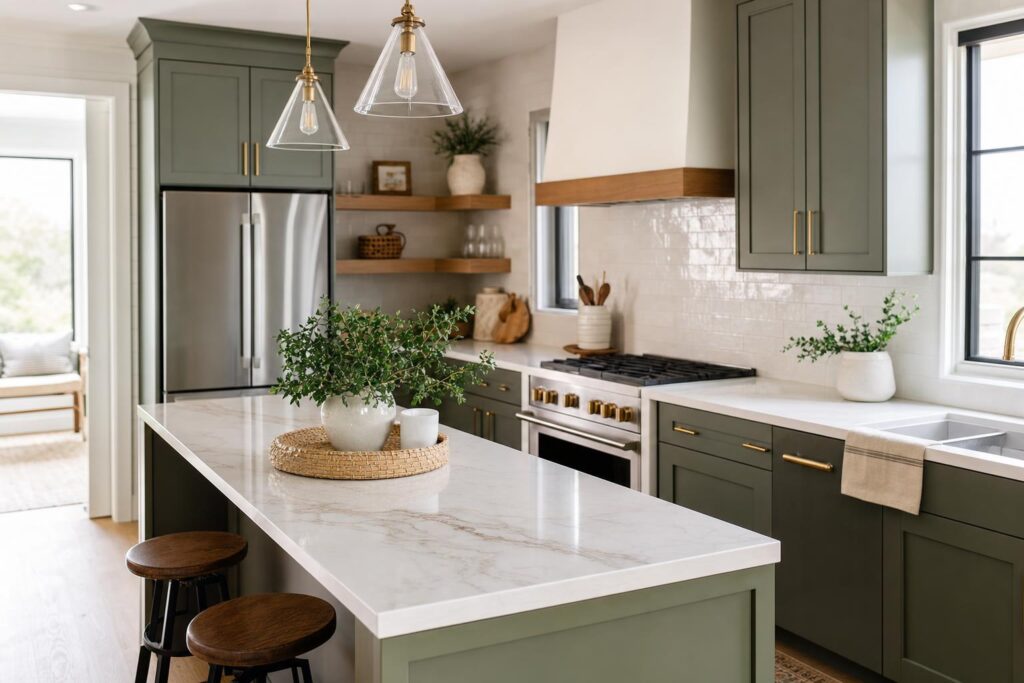
Upgrades that can increase cabinet refacing cost include new hardware, countertops, backsplash work, lighting, sink-area changes, and added storage. Each item is a separate scope of work, so choosing only the improvements that solve a current problem can keep your project focused and support affordable kitchen updates.
Hardware replacement may include knobs, pulls, hinges, and soft-close hinges or drawer slides. Changing these details can update the kitchen, but the price depends on the number of doors and drawers and the hardware category you select. Ask about finish, size, and long-term durability before choosing based on appearance alone.
Countertop upgrades are separate from cabinet refacing and may involve removing the existing top, preparing the base cabinets, and installing a new surface. Backsplash coordination may add tile, wall preparation, trim, or electrical adjustments. Lighting and sink-area changes can also require separate work, such as under-cabinet fixtures, a new faucet, sink, or plumbing connections.
Custom cabinet additions can increase the price when your existing storage no longer fits your household. Options may include a pantry unit, roll-out trays, waste pull-outs, tray dividers, or other custom storage improvements. These additions may be worthwhile when they correct a daily problem, such as hard-to-reach shelves or limited space for recycling.
How Can You Control Your Refacing Budget?
You can control your refacing budget by prioritizing the surfaces and storage changes that provide the most useful improvement while keeping the existing layout when it works. Compare each option by how often you will use it, how well it fits your cabinets, and how long it should last.
- Prioritize cabinet surfaces, doors, and drawer fronts that create the largest visual change.
- Keep the existing layout when it provides enough workspace and storage for your household.
- Compare materials by durability, cleaning needs, and expected service life, not appearance alone.
- Choose hardware that suits your daily use, including soft-close options where they solve noise or wear concerns.
- Add pantry units, roll-outs, or waste pull-outs only when they address a specific storage problem.
- Request every upgrade as a separately priced line item so you can adjust the project before approving the quote.
A detailed estimate helps you see which cabinet refacing prices come from essential work and which come from optional improvements. The right choice may be a focused cabinet update or a broader kitchen project, depending on your goals and existing conditions.
How Can You Budget Confidently Before Requesting an Estimate?
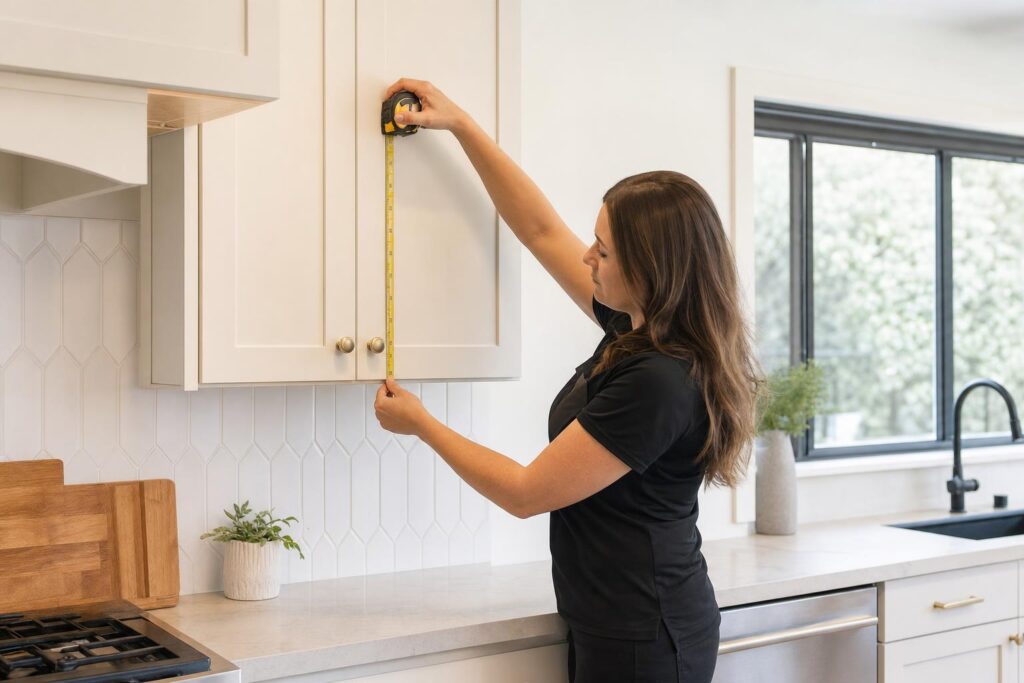
You can budget confidently by documenting your existing cabinets, setting project priorities, identifying needed repairs, and requesting a detailed estimate that separates refacing from optional upgrades.
- Count every cabinet door and drawer front, including narrow doors, double doors, and specialty fronts, so the estimate reflects the full project.
- Inspect the cabinet boxes, which are the fixed frames, for solid construction, loose parts, swelling, major water damage, or areas that need repair.
- Define your goals, such as changing the door style, updating the finish, improving storage, or creating a more current appearance without changing the layout.
- Choose your priorities in order, such as new doors, drawer fronts, hardware, countertops, or custom cabinet additions, and identify which options can wait.
- Request a detailed estimate that separates materials, preparation, installation, repairs, cleanup, and optional work before making a decision.
Refacing may be the right choice when your cabinet boxes remain stable and the existing layout works for your daily needs. Replacement may suit your kitchen better if you find major water damage, unstable boxes, an unusable layout, or extensive structural changes that refacing cannot address.
What Should You Ask During a Refacing Estimate?
Ask what the estimate includes before comparing cabinet refacing prices. Confirm whether preparation, installation, cleanup, minor repairs, and warranty coverage are included or priced separately. Review material samples, finish details, edge treatments, hardware specifications, and the expected turnaround in days or weeks. Request separate prices for countertops, custom additions, pullouts, lighting, and other optional work. Clear answers help you compare the cost to reface kitchen cabinets without overlooking preparation or finishing details.
ReNU Kitchen brings more than 26 years of experience, custom craftsmanship, free estimates, and service for homeowners across New Jersey and parts of New York. Our guidance can help you weigh cabinet condition, goals, budget, timeline, and the level of disruption you can manage. The right choice is the one that fits your home rather than simply choosing the lowest cabinet refacing cost.
Ready to transform your kitchen? Contact us for your free estimate. You can refresh your kitchen while keeping existing elements where practical, with a plan built around your needs and budget.
Frequently asked questions
What is the average cabinet refacing cost?
Cabinet refacing cost varies by kitchen size, door and drawer-front count, materials, cabinet condition, labor, and selected upgrades. Smaller projects may cost less, while large kitchens or projects with custom additions, repairs, premium finishes, or countertops cost more. A detailed in-home estimate provides the most reliable figure.
Is it cheaper to reface or replace kitchen cabinets?
Refacing is often less expensive than replacing kitchen cabinets because the existing cabinet boxes and layout remain in place. Replacement may be necessary when boxes are damaged, the layout no longer works, or major structural changes are planned. Comparing written scopes helps homeowners evaluate the complete project cost.
What is included in cabinet refacing?
Cabinet refacing commonly includes preparing existing cabinet boxes, installing new doors and drawer fronts, and covering exposed cabinet surfaces with a matching material or finish. Depending on the quote, it may also include panels, fillers, toe kicks, hardware, repairs, installation, and cleanup, so confirm each item in writing.
Can I reface cabinets and change the kitchen layout?
Cabinet refacing works best when you are keeping the existing kitchen layout, although some projects can include limited modifications or custom cabinet additions. Moving plumbing, walls, or major cabinet sections may require broader remodeling. Discuss your goals during the estimate to determine whether refacing supports the desired changes.
How long does cabinet refacing take?
Cabinet refacing is generally faster and less disruptive than removing and replacing an entire kitchen, but the timeline depends on kitchen size, material availability, custom work, repairs, and added upgrades. Your contractor should explain preparation, installation, and completion timing after reviewing the existing cabinets and project scope.
Plan the Right Cabinet Refacing Project for Your Home
Ready to transform your kitchen? Contact us for your free estimate.